
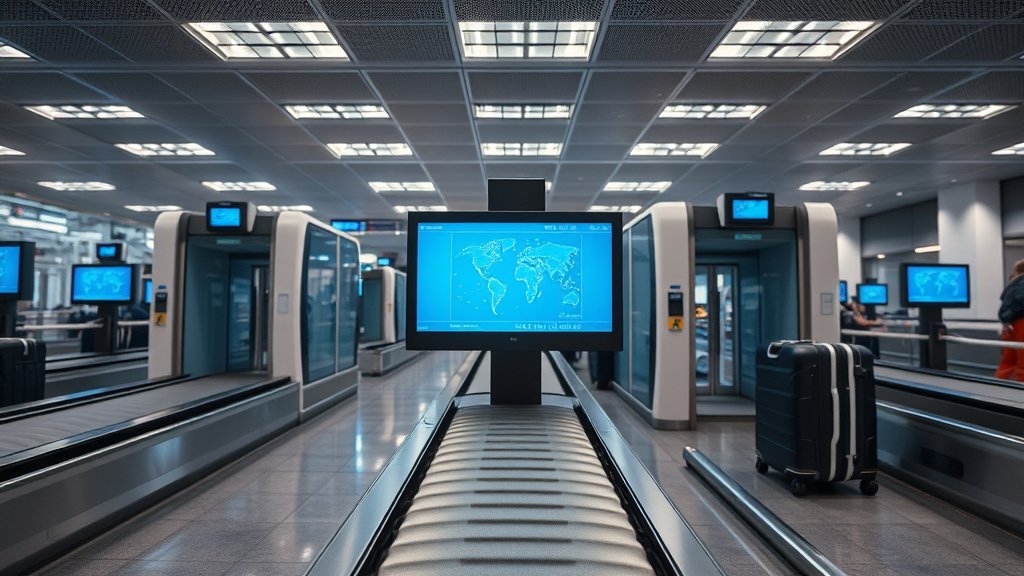
Imagine a world where you don’t have to worry about what might be lurking inside someone else’s luggage. That’s what modern baggage scanners are all about. With advancements in technology, these scanners are becoming more adept at detecting threats before they even make it onto the plane. It’s like having a security guard with X-ray vision—minus the cape.
The magic lies in the sophisticated algorithms and high-resolution imaging capabilities that can pick out dangerous items from the myriad of objects people pack. Whether it’s a prohibited item or something more sinister, these scanners are designed to keep passengers safe. The ability to spot threats before they board is no longer a futuristic dream; it’s happening right now in airports around the globe.
But what exactly makes these scanners so effective? It boils down to their ability to differentiate between harmless everyday items and potential hazards. They use a combination of X-ray and CT technology to create detailed images of bag contents. This isn’t just about spotting a knife or a gun; it’s about identifying anything that could pose a risk, no matter how cleverly disguised.
High-tech solutions for seamless scanning
Ever wondered how you get through airport security without feeling like you’re part of an assembly line? Well, that’s thanks to some pretty nifty high-tech solutions that make scanning seamless and efficient. Gone are the days of lengthy queues and cumbersome manual checks. Modern scanners are all about speed and accuracy.
One of the key innovations in this space is the use of dual-energy X-ray technology. This allows scanners to quickly and accurately distinguish between different types of materials, making it easier to identify threats without slowing down the process. These systems are designed to handle a high volume of passengers, ensuring that even during peak travel times, security checks remain smooth and efficient.
Another game-changer is the integration of automated sorting systems. These systems can automatically direct bags that need further inspection to dedicated areas, minimizing delays and keeping the flow of passengers steady. It’s like having a well-oiled machine working behind the scenes, ensuring everyone gets through security with minimal fuss.
Fast and efficient automated sorting
Speaking of automated sorting, let’s dive a bit deeper into how this technology works. Imagine your bag is on a conveyor belt, zipping through a scanner at lightning speed. Within seconds, the system has analyzed its contents and determined whether it needs further inspection. If everything’s clear, your bag continues on its merry way. If not, it’s automatically diverted to a secondary screening area for a closer look.
This level of automation is crucial for maintaining efficiency in busy airports. It means that security personnel can focus their attention on bags that genuinely need it, rather than spending time manually checking every single piece of luggage. It’s all about working smarter, not harder.
The beauty of automated sorting systems is that they can be tailored to fit the specific needs of different airports. Whether it’s a small regional hub or a major international gateway, these systems can be scaled up or down as needed. This flexibility ensures that no matter where you are in the world, you can enjoy fast and efficient baggage screening.
Ai and machine learning enhancing security
Now, let’s talk about AI and machine learning—two buzzwords that are revolutionizing just about every industry, including airport security. When it comes to baggage scanners, these technologies are making them smarter and more reliable than ever before. Think of it as giving your scanner a brain upgrade.
AI-powered scanners use advanced algorithms to analyze images more accurately than traditional systems, such as the Nuctech RM2000. They can learn from each scan they perform, constantly improving their ability to detect threats. It’s like having a security expert who never stops learning on the job.
Machine learning takes this a step further by allowing scanners to adapt to new types of threats as they emerge. This means that even as bad actors come up with new ways to smuggle dangerous items onto planes, the scanners are always one step ahead. It’s an ongoing arms race between security technology and those who seek to bypass it—but with AI on our side, we’re winning.
What the future holds for baggage inspection
So what does the future hold for baggage inspection? Well, if current trends are anything to go by, things are only going to get better. Expect even faster and more accurate scanning technologies that make the whole process feel almost seamless.
Future advancements might include even more integration with AI and machine learning, making baggage inpection system scanners so smart they can almost predict threats before they happen. Imagine walking through security without even realizing you’ve been scanned because it’s all happening so quickly and efficiently behind the scenes.
In addition to technological advancements, there’s also likely to be an increased focus on passenger experience. After all, nobody enjoys going through airport security—but with smarter systems in place, it can become less of a hassle and more of just another part of your travel routine.
The goal is simple: make air travel as safe and stress-free as possible for everyone involved. And with the rapid pace of innovation in baggage scanning technology, that goal is becoming more achievable every day.